English
 한국어
 Deutsch
 Español
 العربية
 русский
×
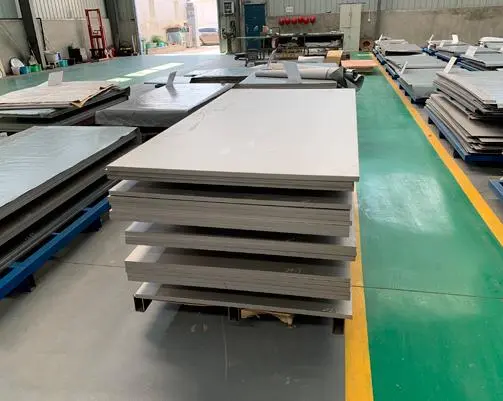
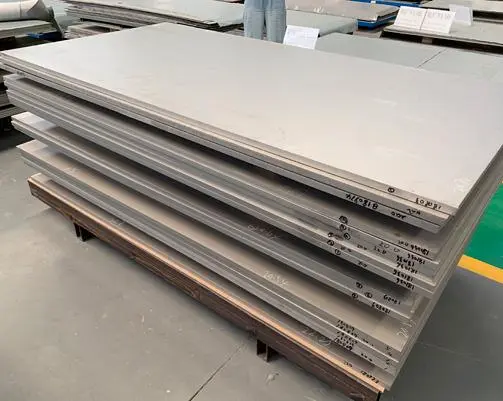
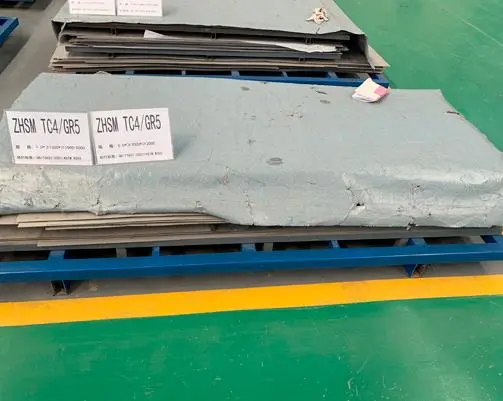
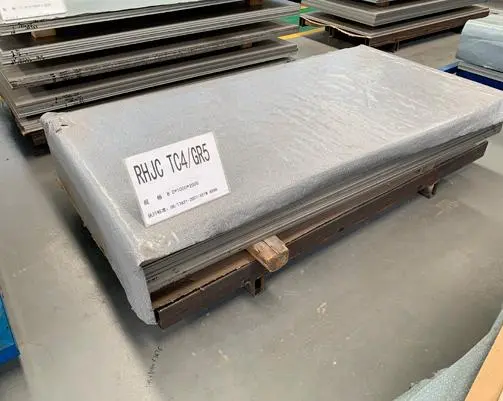
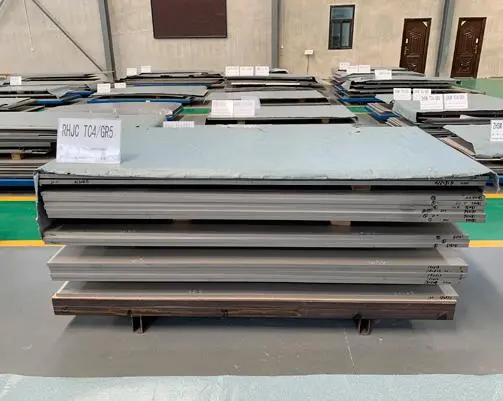
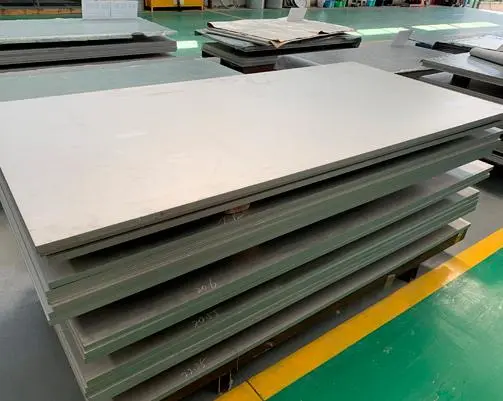
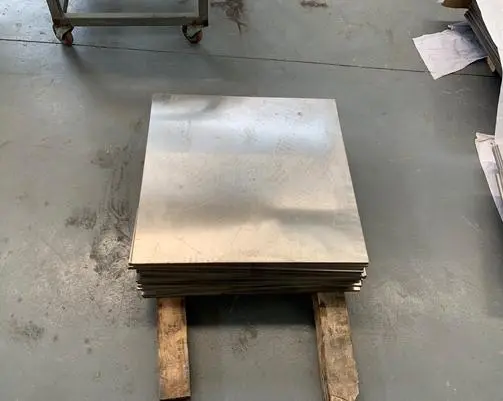
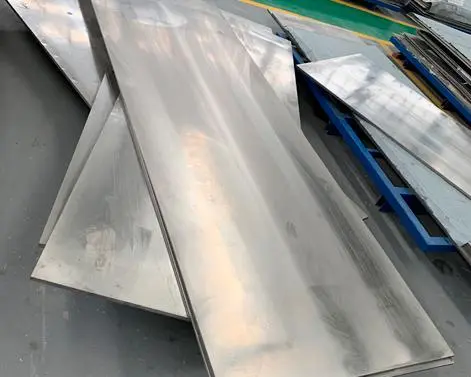
Titanium plate is a material made of titanium metal. Titanium is a metal with lightweight, high strength, corrosion resistance, and high temperature resistance, widely used in fields such as aerospace, chemical engineering, medical equipment, ocean engineering, automotive manufacturing, and electronic equipment.
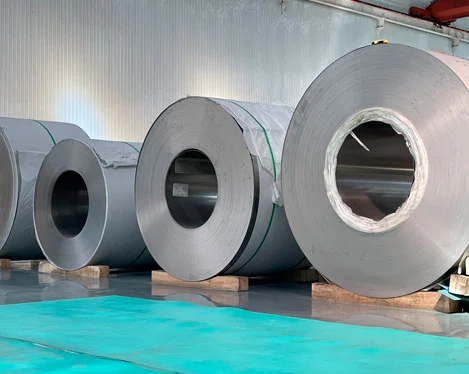
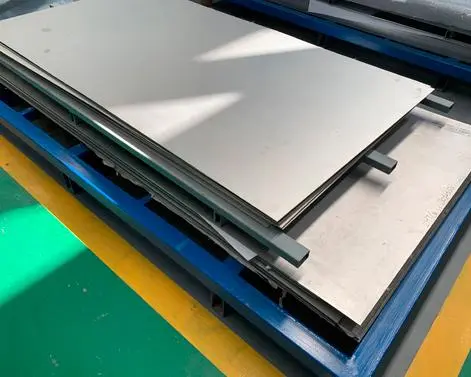
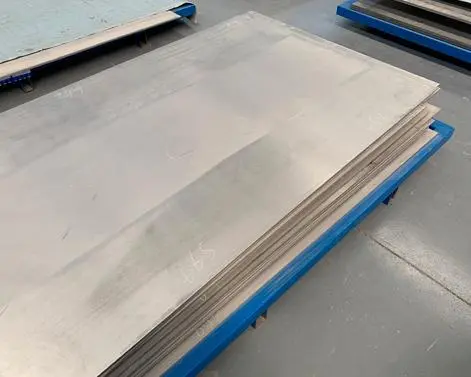
Titanium plate, sheet, coil, and strip are widely used in industries requiring a combination of low density, high strength, and corrosion resistance. Available in commercially pure titanium and titanium alloys, these products can be supplied in different grades, thicknesses, widths, and lengths according to applicable standards and customer requirements.
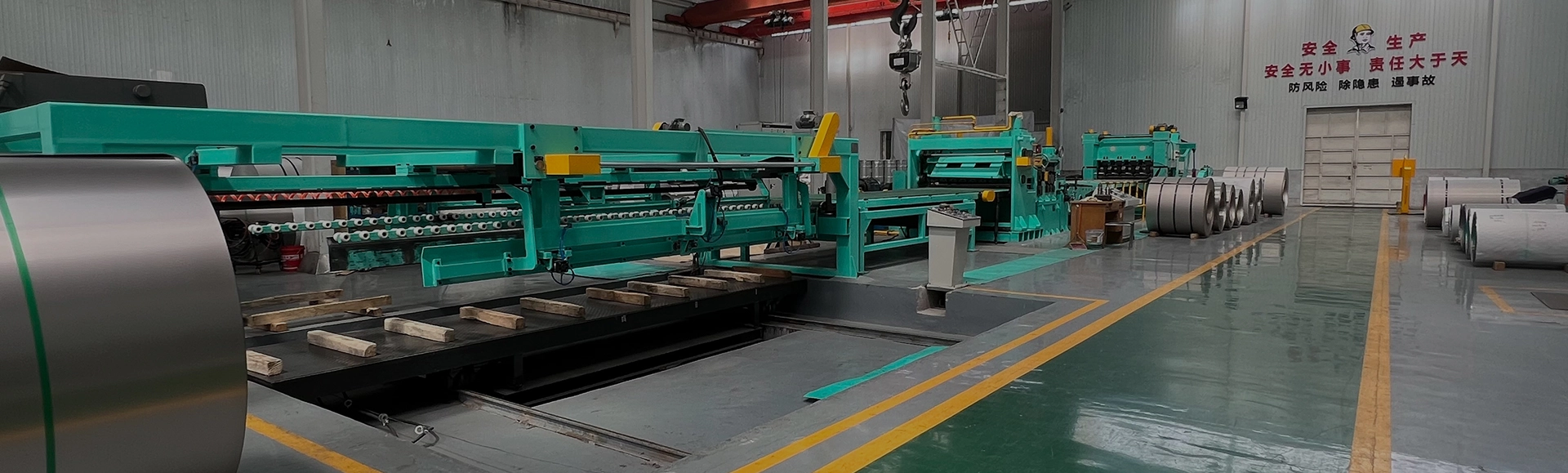
Titanium sheet and plate are commonly produced through hot rolling, cold rolling, or a combination of rolling and subsequent processing. The manufacturing route depends on the material grade, product dimensions, required surface finish, and mechanical properties.
| Product | Available specifications |
|---|---|
| Titanium coil / strip | Thickness: 0.5–12 mm |
| Width | Below 2,000 mm |
| Coil weight | Below 8 metric tons per coil, subject to specification |
| Length | According to processing requirements |
| Titanium plate | Thickness: 0.5–100 mm |
| Width | Below 4,000 mm |
| Length | Below 12,000 mm |
Custom dimensions are available subject to material grade, manufacturing capability, and order requirements.
Potentially applicable standards include:
ASTM B265
ASME SB-265
GB/T 3621
GB/T 3622
AMS 4911 for applicable Ti-6Al-4V sheet, strip, and plate products
The applicable standard should be confirmed according to the titanium grade, product form, dimensions, and required delivery condition.
Hot rolling involves heating titanium material to a suitable processing temperature and passing it through rolling mills to achieve the required thickness and dimensions. Hot-rolled products are commonly used for thicker plates and industrial applications.
Cold rolling reduces material thickness through rolling at or near room temperature. Depending on the processing route, it can provide closer dimensional control and a smoother surface finish.
Additional processes, such as annealing, pickling, leveling, and surface finishing, may be applied according to the required material condition and product specifications.
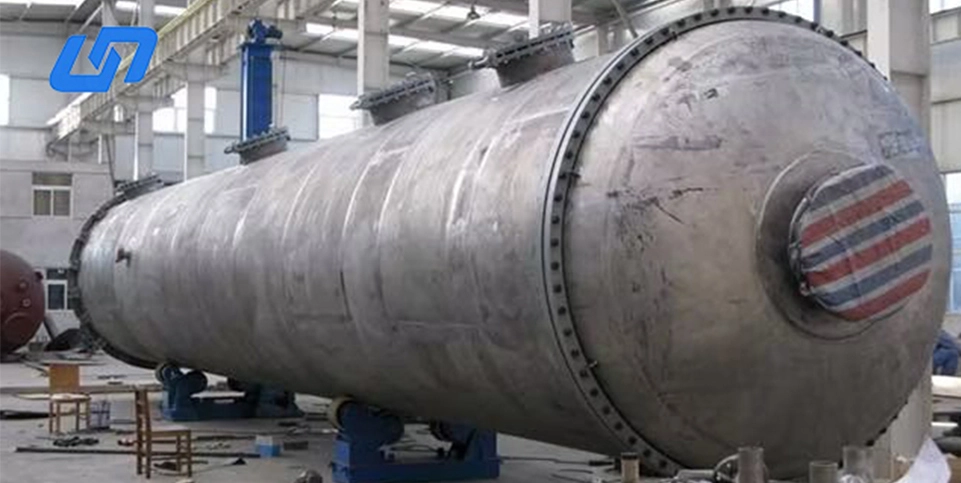
Titanium plate is used in selected corrosion-resistant equipment, including heat exchangers, storage tanks, reactors, and process vessels. Its suitability depends on the chemical composition, concentration, temperature, and operating conditions of the process medium.
Titanium alloys, particularly Ti-6Al-4V, are used in selected aircraft structural components and aerospace applications where high strength-to-weight ratio and performance are important. The required alloy, product form, and aerospace specification depend on the component design.
Titanium's resistance to seawater corrosion makes it suitable for selected marine and offshore applications, including heat exchangers, seawater-handling equipment, and other components exposed to demanding marine environments.
Specified titanium grades are used in medical devices and selected implant-related applications. Material selection depends on the applicable medical material standard, product form, manufacturing process, surface condition, and regulatory requirements.
Titanium alloys may be used in selected performance-oriented automotive components where weight reduction and mechanical properties are important. Actual use depends on cost, design requirements, and operating conditions.
Titanium plate and sheet can be used in industrial equipment, electrochemical systems, specialized process equipment, and selected energy applications where corrosion resistance and weight reduction are important.
Other applications may include sports equipment, architectural components, and specialized manufacturing.

No.26 Baotai Road, Weibin District, Baoji City, Shaanxi, China.
No.26 Baotai Road, Weibin District, Baoji City, Shaanxi, China.