English
  한국어
한국어  Deutsch
  Español
  العربية
  русский
×
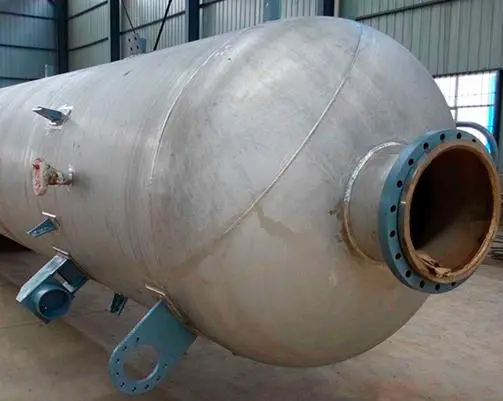
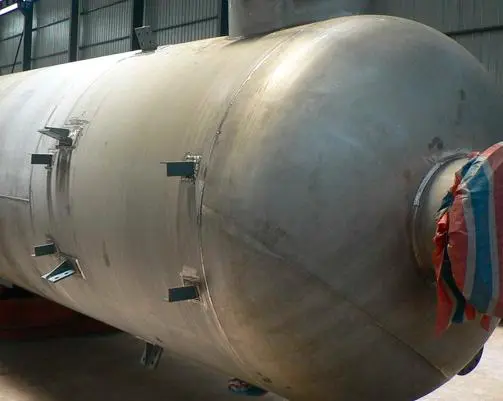
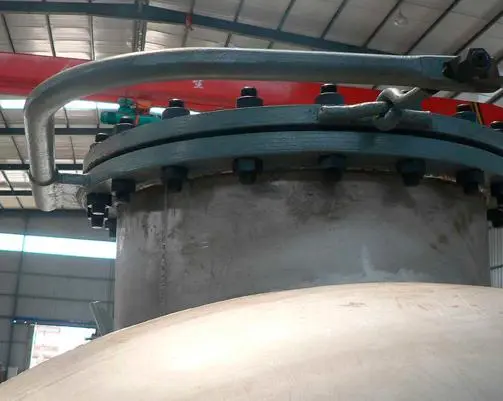
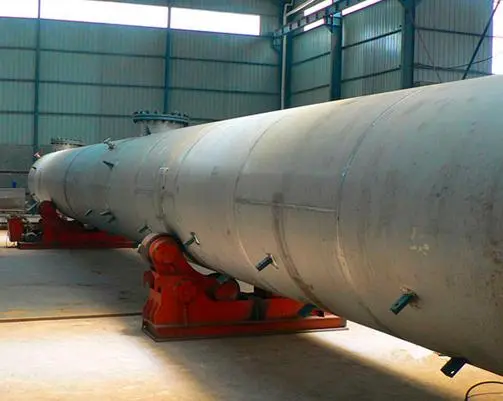
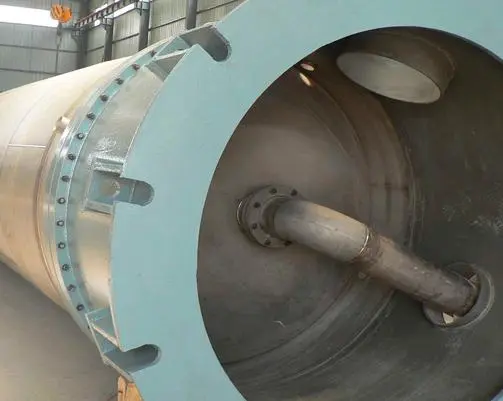
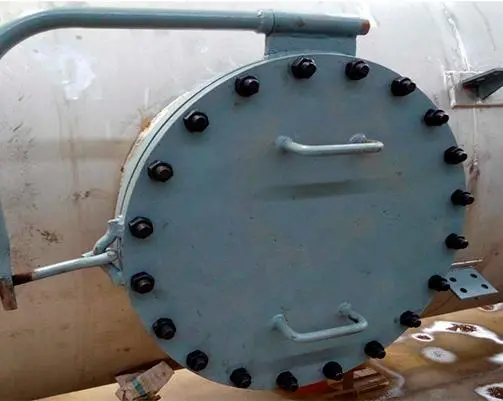
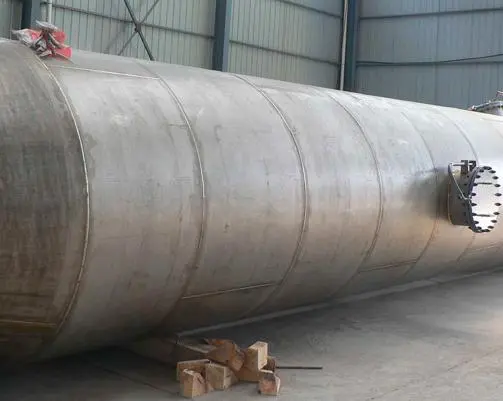
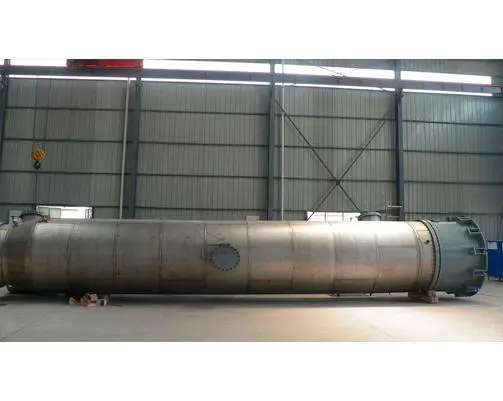
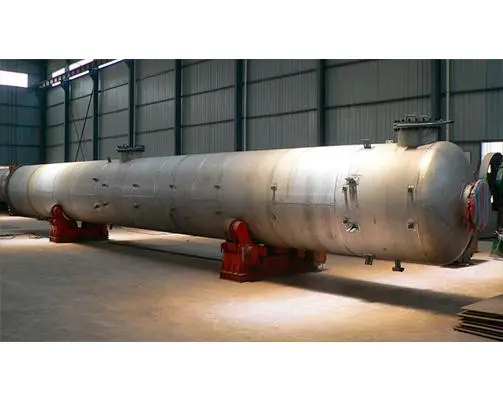
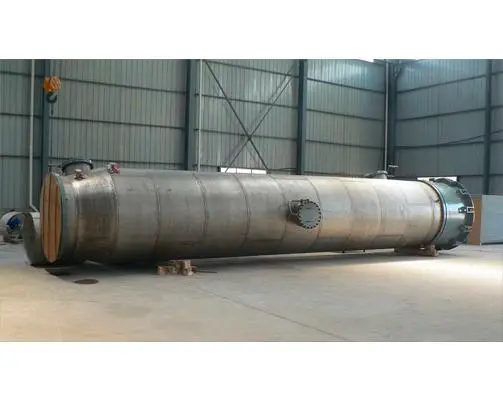
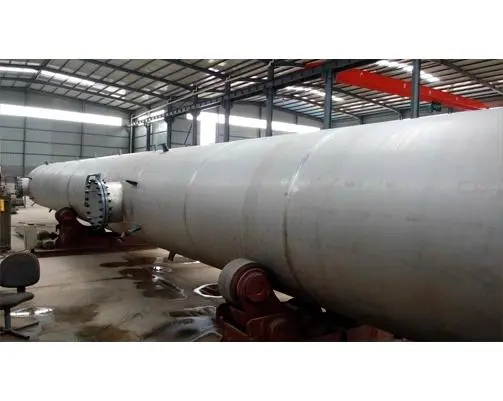
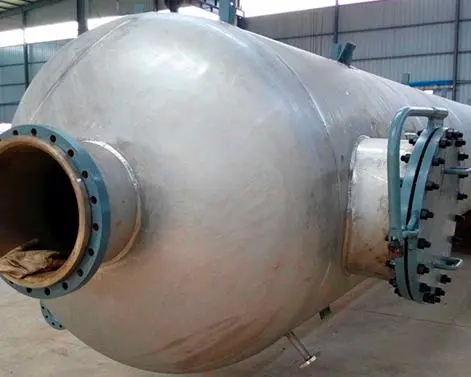
An esterification tower is a piece of equipment used in chemical processes, specifically in the field of organic chemistry and petrochemical refining. It plays a crucial role in the esterification reaction, which is a type of chemical reaction between an alcohol (or a compound with a hydroxyl group) and a carboxylic acid to form an ester and water. The esterification tower is designed to facilitate the esterification reaction by providing an environment where the reactants can interact, and the reaction can take place efficiently.
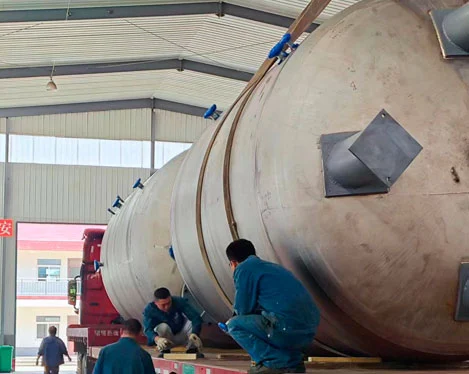
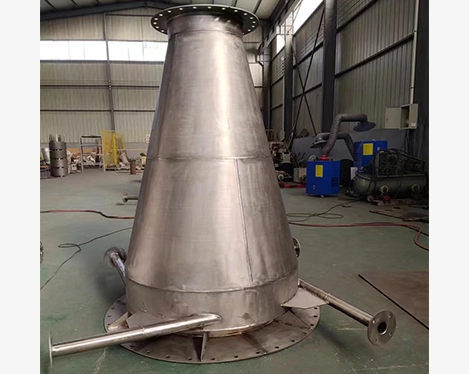
The Ethylene Glycol Recovery Distillation Column is a specialized separation tower designed for the continuous separation of water (low-boiling component) from ethylene glycol (high-boiling component) in polyester, ethyl acetate, and fine chemical production processes.
The system operates through vapor-liquid equilibrium and rectification, allowing efficient recovery of high-purity ethylene glycol (EG) from process streams. The recovered glycol can be recycled back to the reactor, reducing raw material consumption and improving overall process economics.
Designed for continuous industrial operation, the column offers reliable separation performance, low energy consumption, and long service life.
Recovery and purification of ethylene glycol from esterification systems.
Separation of water and glycol-containing streams.
Continuous vapor-liquid separation processes.
Recovery and reuse of valuable glycol solvents.
The primary function of the distillation column is:
Separation of water from ethylene glycol
Recovery of reusable glycol
Removal of volatile impurities
Continuous rectification operation
Feed enters the distillation column.
Water and light components vaporize and rise through the column.
Top vapor is sent to the condenser.
Condensed liquid enters the reflux drum.
Part of the condensate returns as reflux.
High-purity ethylene glycol is collected from the column bottom and recycled to the reactor.
Top Product
Water
Light volatile components
Bottom Product
Ethylene Glycol (EG)
Recycle stream to reactor
| Parameter | Specification |
|---|---|
| Service | Ethylene Glycol Recovery |
| Process Type | Continuous Distillation / Rectification |
| Design Pressure (MAWP) | 0.10 MPa(g) |
| Hydrostatic Test Pressure | 0.41 MPa |
| Working Temperature | 130°C |
| Empty Weight | 13,564 kg |
| Operation Mode | Continuous |
| Separation Duty | Water / Ethylene Glycol |
| Top Product | Water + Light Components |
| Bottom Product | Ethylene Glycol |
316L Stainless Steel
Benefits:
Excellent corrosion resistance
Suitable for glycol-water systems
Good resistance to organic compounds
Reliable performance at elevated temperatures
316L Stainless Steel
316Ti Stainless Steel (optional)
Structured Packing (recommended)
Random Packing
Ceramic Packing (optional)
PTFE
Graphite
Stainless Steel
Duplex Stainless Steel
Ideal for:
High separation efficiency
Low pressure drop
Energy-saving operation
Near-atmospheric service
Advantages:
Higher mass transfer efficiency
Reduced operating costs
Lower liquid holdup
Available Types:
Sieve Trays
Valve Trays
Recommended when:
Fouling potential exists
Catalyst carryover is present
Easier maintenance is required
Optimized for high-purity EG recovery while minimizing glycol losses.
Suitable for energy-efficient operation.
Designed for long-term industrial service.
Can be equipped with:
Structured packing
Random packing
Tray systems
Suitable for water, glycol, and organic chemical processing environments.
The column can be supplied with:
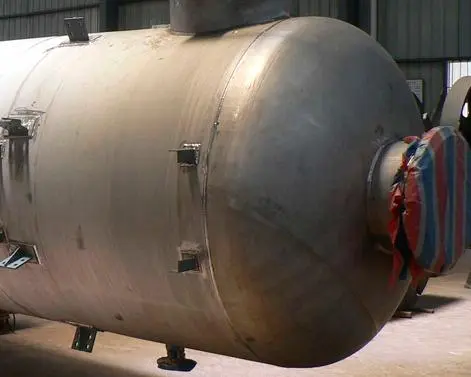
Feed inlet nozzle
Top vapor outlet
Reflux return connection
Bottom product outlet
Vent connection
Drain connection
Instrument nozzles
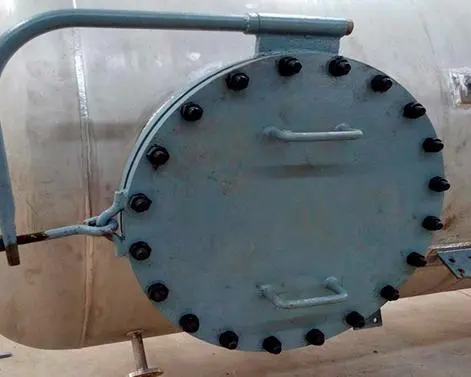
Full-size manways
Internal inspection ports
Skirt support
Anchor bolt connections
Suitable for operation at 130°C with optional:
Mineral wool insulation
Aluminum cladding
Stainless steel weather protection
Standard instrumentation may include:
Top temperature transmitter
Bottom temperature transmitter
Intermediate temperature indicators
Top pressure transmitter
Differential pressure monitoring
Bottom liquid level transmitter
Reflux drum level transmitter
Feed flow meter
Reflux flow meter
Product flow meter
Pressure Safety Valve (PSV)
Rupture Disc (Optional)
Hydrostatic Testing
Weld Inspection
Non-Destructive Testing (NDT)
Dimensional Inspection
Nameplate
Material Certificates
Inspection Reports
Pressure Test Records
Efficient recovery of valuable ethylene glycol.
Recovered glycol can be recycled back into production.
Reduced glycol losses and improved energy efficiency.
Industrial-grade design for continuous operation.
Accessible internal structure and inspection openings.
We provide complete custom engineering solutions based on process requirements.
Customization options include:
Column diameter
Tower height
Packing or tray selection
Material selection
Condenser integration
Reflux drum design
Automation system integration
Pressure vessel code compliance
We can provide a complete glycol recovery system including:
Distillation Columns
Condensers
Reflux Drums
Reboilers
Heat Exchangers
Storage Tanks
Pumps
Instrumentation & Control Systems

No.26 Baotai Road, Weibin District, Baoji City, Shaanxi, China.
No.26 Baotai Road, Weibin District, Baoji City, Shaanxi, China.