English
  한국어
한국어  Deutsch
  Español
  العربية
  русский
×
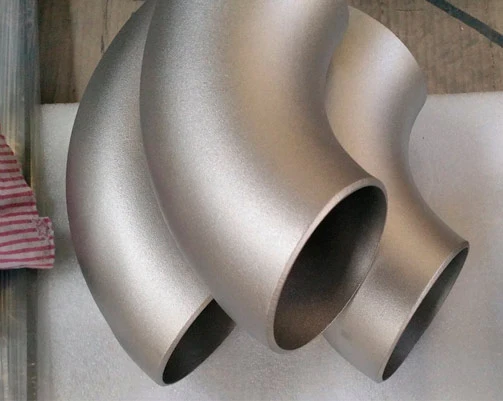
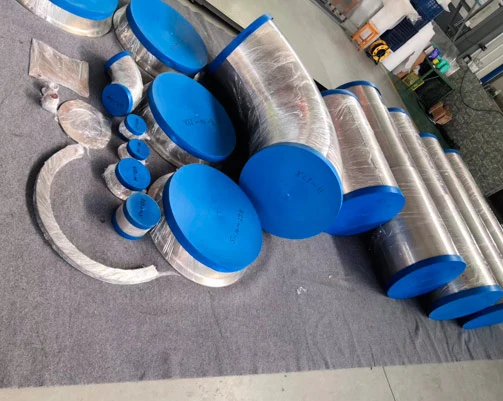
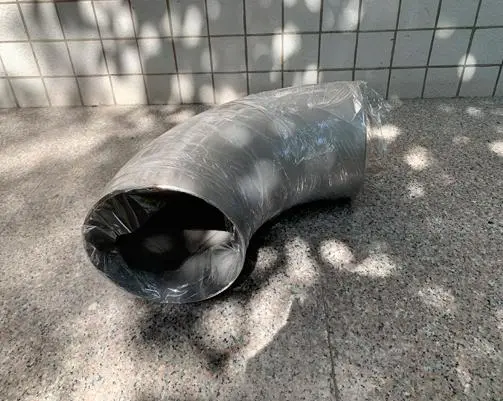
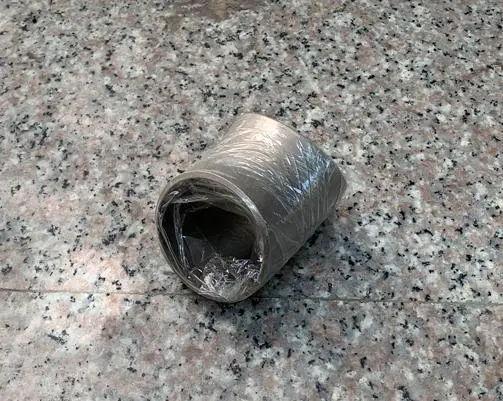
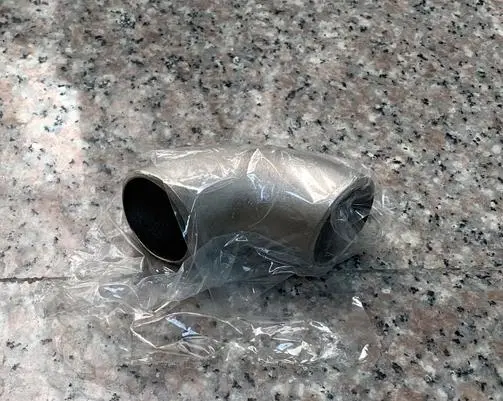
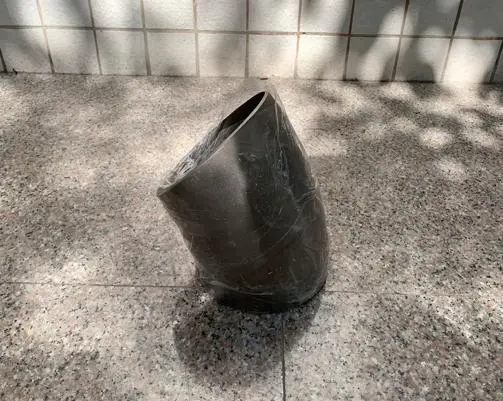
In pipeline systems, elbows are fittings that change the direction of the pipeline. According to angles, there are three most commonly used angles: 45° and 90° and 180°. In addition, according to engineering needs, there are also other abnormal angle bends such as 60°.
Titanium elbow is a widely used elbow. Due to the thin and dense oxide protective film on the surface of titanium, titanium has strong corrosion resistance in various water quality environments and even embeds in soil. Titanium elbows have high connection strength and strong vibration resistance, which can make the connection part secure at once and effectively prevent joint loosening. The installation is convenient and fast, without the need for on-site welding and threading operations, and the titanium elbow has a long service life. According to actual corrosion test data, the service life of titanium elbows can reach 100 years, and titanium elbows basically do not require normal use and maintenance. Therefore, their cost-effectiveness is very high, and the operating cost is relatively low, which is clearly very cost-effective.
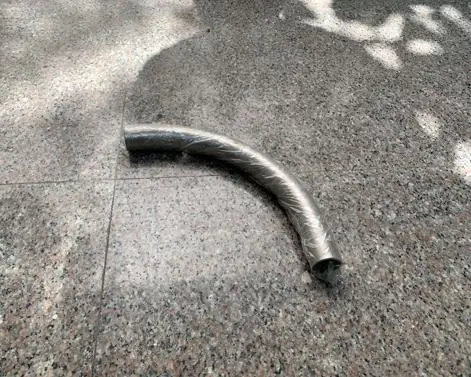
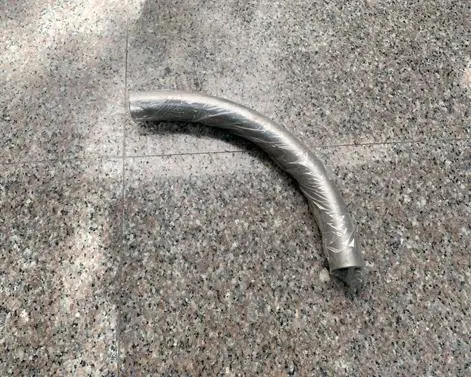
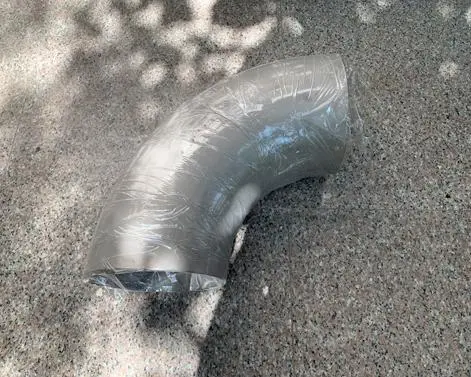
Titanium elbows are essential components in piping systems, widely used across industries that require high strength, corrosion resistance, and excellent performance under extreme conditions. Titanium alloy elbows are particularly valuable in harsh environments, such as those found in chemical, petroleum, and power industries.
| Item | Details |
|---|---|
| Types | 45° Elbow (45E(L), 45E(S)) |
| 90° Elbow (90E(L), 90E(S)) | |
| 180° Elbow (180E(L), 180E(S)) | |
| Other angles: 30°, 60°, 120°, etc. | |
| Material | Pure Titanium (Grade 1, 2, 3, 4) or Titanium Alloys (Grade 7, 9, 12) |
| Size Range | Outside Diameter: DN15–1200, NPS 1/2"–48" |
| Wall Thickness | 1–15 mm, Sch5s–Sch160 |
| Radius (R) | R=1D, 1.5D, 3D, 5D (long and short radius, equal and reducing) |
| Connection Method | Direct welding, flange connection, hot melt connection, electric melt connection, threaded connection, socket connection |
| Standards | ASTM B363, ASME B16.9, ASME SB363, ANSI B16.9 |
| Technique | Welded, Forged, Rolled, Seamless |
| Surface Finish | Sand blasting, polishing, pickling |
| Quality Control | 100% X-ray detection (RT), 100% surface penetrant inspection (PT) |
| Other Materials Available | N200/N201, N6, N4, Zirconium, Inconel 600, Monel 400, Hastelloy-C276 |
Push Extrusion Molding:
Billet Selection: A seamless titanium tube with a diameter smaller than the finished diameter is used as the billet.
Extrusion Process: The billet is pushed and extruded into shape using a push extrusion machine. The forming mold is fixed on the machine, and an active thrust pushes the tube billet forward.
Heating and Protection: The billet is heated during the process to ensure proper shaping and expansion as it passes through the mold.
Pressure Welded Titanium Elbow (UO Method):
Molding: The billet is first shaped into a U-shaped form, then further shaped into an O-shaped or tubular form.
Welding: The U-shaped part is welded both inside and outside the joint to create a closed, continuous structure.
Corrosion Resistance: This method reduces the number of weld seams and ensures that the titanium elbow has fewer areas prone to erosion or corrosion, improving its durability.
Titanium alloy elbows are used across a wide range of industries due to their superior corrosion resistance, strength, and temperature tolerance.
Petroleum Industry:
Titanium elbows are used in pipelines for crude oil refining, gas processing, and other chemical transport systems where corrosion resistance is crucial.
Chemical Industry:
Essential in handling highly corrosive chemicals and acidic substances. Titanium alloy elbows are commonly used in piping systems for chemical plants, especially in areas exposed to corrosive media like sulfuric acid, hydrochloric acid, and other aggressive chemicals.
Chlor-Alkali Industry:
Titanium elbows are used for applications involving chlorine, caustic soda, and other corrosive chemicals produced in the chlor-alkali industry.
Light Industry:
Used in various manufacturing processes, particularly in applications that involve sensitive, high-purity materials.
Salt Industry:
Titanium elbows help transport saltwater and chemicals used in salt production, where resistance to salt and chlorides is necessary.
Electric Power and Nuclear Power Plants:
In cooling systems and heat exchangers that handle hot, corrosive water and gases, titanium elbows provide long-lasting durability under high pressure and temperature conditions.
Food Manufacturing and Pharmaceuticals:
The corrosion resistance and ease of cleaning titanium make it ideal for food and pharmaceutical piping systems, ensuring safety and purity in the transport of products.
Shipbuilding Industry:
Titanium’s high strength-to-weight ratio and corrosion resistance in seawater make it ideal for marine applications, particularly in ships and submarines.
Papermaking Industry:
Used for transporting chemicals and other substances in paper production processes.
Superior Corrosion Resistance:
Titanium's ability to form a protective oxide layer makes it highly resistant to corrosion in aggressive media, including seawater, acids, and alkalis.
High Strength and Durability:
Titanium elbows provide excellent mechanical properties, making them ideal for high-pressure and high-temperature environments.
Temperature Resistance:
Titanium performs well in extreme temperature conditions, from cryogenic to high-heat applications, maintaining its strength and integrity.
Lightweight:
Titanium is lightweight compared to many other metals, which is a critical consideration in industries like shipbuilding and aerospace.
Long Service Life:
Due to its corrosion resistance, titanium elbows have a long service life, reducing maintenance costs and downtime.
Versatility in Applications:
Titanium elbows are versatile, used across a wide range of industries such as petroleum, chemical, pharmaceuticals, power, and marine.
| Specification | Details |
|---|---|
| Type | 45°, 90°, 180°, and custom angles (30°, 60°, 120°) |
| Material | Pure Titanium (Grades 1, 2, 3, 4), Titanium Alloys (Grades 7, 9, 12) |
| Size Range | DN15 – 1200, NPS 1/2" – 48" |
| Wall Thickness | 1 – 15 mm, Sch5s – Sch160 |
| Radius | 1D, 1.5D, 3D, 5D (long and short radius) |
| Connection Methods | Direct welding, flange, threaded, hot melt, etc. |
| Standards | ASTM B363, ASME B16.9, ANSI B16.9 |
| Production Process | Welded, Forged, Rolled, Seamless |
| Surface Finish | Sand blasting, polishing, pickling |
| Quality Control | 100% X-ray, 100% Surface Penetrant Test |

No.26 Baotai Road, Weibin District, Baoji City, Shaanxi, China.
No.26 Baotai Road, Weibin District, Baoji City, Shaanxi, China.