English
  한국어
한국어  Deutsch
  Español
  العربية
  русский
×

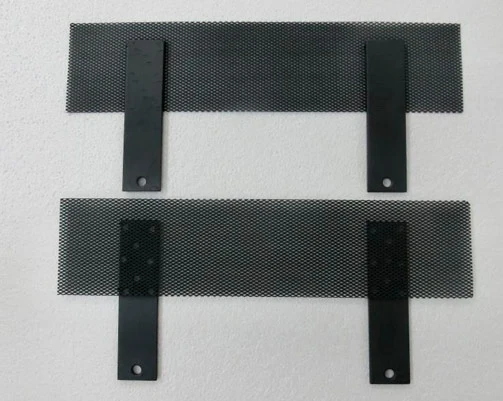
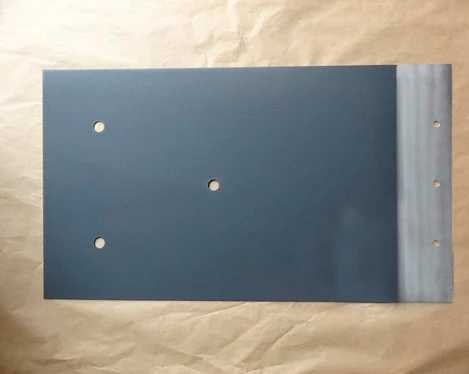
In the field of electroplating applications, the required plating metal is dissolved in the electrolyte, and the plated metal substrate serves as the negative electrode, while the titanium anode serves as the positive electrode, forming a complete current transmission circuit. The chemical reaction that occurs simultaneously with electroplating in the electroplating bath is the precipitation of oxygen on the anode surface. Insoluble anodes for electroplating are precious metal oxide coatings with high electrochemical catalytic performance coated on titanium substrates (mesh, plate, strip, tubular, etc.), which contain highly stable valve metal oxides. This anode is widely used in non ferrous metal electroplating industries such as nickel plating, gold plating, chromium plating, zinc plating, and copper plating.
1. Precious metal oxide active titanium anode (Ti/MMO)
2. Platinum plated titanium anode (Ti/Pt anode)
3. Platinum plated niobium anode (Nb/Pt anode)
4. Titanium based Lead dioxide titanium anode (Ti/PbO2 anode)
Corrosion resistance: Titanium is known for its excellent corrosion resistance properties and is very suitable for use in harsh environments. It can withstand a wide range of corrosive chemicals and high temperatures, making it a reliable material for electroplating.
Long service lifetime: Compared to other materials such as graphite and lead, titanium anodes have a longer lifespan. In the long run, this means fewer replacements and lower maintenance costs.
Energy efficiency: Compared to other materials, titanium anodes have lower voltage requirements, which means lower energy consumption during the electroplating process.
Pure coating: The titanium anode produces a pure and uniform plating, which is crucial for high-quality electroplating. It ensures that the metal coating has a consistent thickness, which is crucial for the performance and durability of the finished product.
Automotive Industry
Electroplating is used to coat automotive components such as wheels, bumpers, and grilles. This enhances durability, provides corrosion resistance, and improves appearance with decorative finishes.
Aerospace Industry
Critical aircraft components like turbine blades, landing gears, and fasteners are electroplated to improve resistance to wear, oxidation, and corrosion under extreme operating conditions.
Electronics Industry
Electroplating is applied to electronic components, such as printed circuit boards (PCBs), connectors, and contacts, to improve electrical conductivity, solderability, and protection against corrosion.
Steel Plate Manufacturing
Electro-galvanizing or electro-tinning is performed on steel plate surfaces to increase corrosion resistance, enhance surface finish, and extend the service life of the material in construction and packaging applications.

No.26 Baotai Road, Weibin District, Baoji City, Shaanxi, China.
No.26 Baotai Road, Weibin District, Baoji City, Shaanxi, China.